
Dental care basics: why it’s important
The oral cavity is not only an organ for eating, but also a kind of entry point for pathogens and bacteria. Insufficient dental care can lead to diseases of the teeth and gums, such as tooth decay and periodontitis. Harmful bacteria can become a source of infectious and inflammatory diseases in various organs, and oral microbes are the cause of cardiovascular diseases, rheumatism, digestive diseases, etc.Therefore, proper dental and oral care is important not only for maintaining your appearance but also for maintaining your overall health.
How to properly care for your teeth?
The specialists of the family dentistry clinic Dent-House have prepared a memo on how to properly care for your teeth and soft tissues of the oral cavity. Make an appointment with your dentist to learn about the possibilities of professional oral hygiene, including tooth remineralisation.Brushing your teeth properly
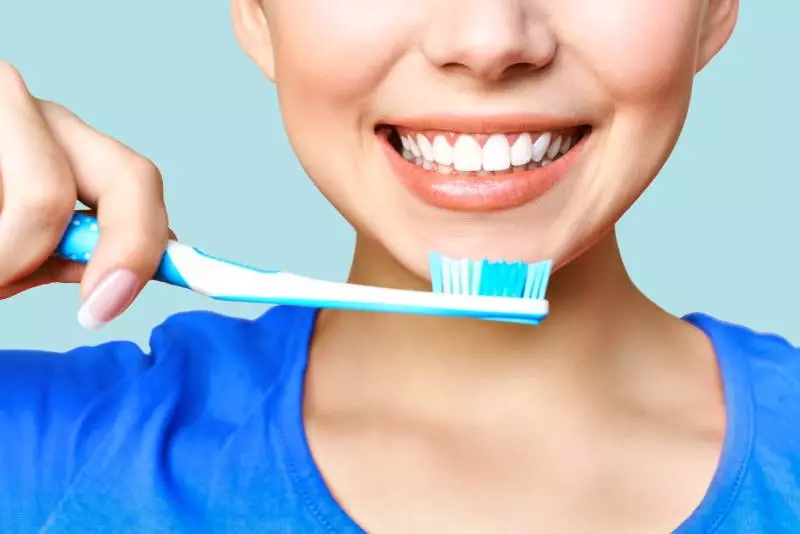
 Oral hygiene begins with dental care. The correct brushing technique involves gentle circular brushing movements. You don’t need to press the brush hard, just press it moderately so as not to damage the gums.
Dentists’ advice is to use the following brushing algorithm:
- wet the toothbrush head and apply toothpaste;
- start brushing from the back teeth, gradually moving forward, using rotational movements with the brush in the direction from the gums to the teeth;
- after cleaning the outer surface, clean the inner side;
- repeat the procedure with the second jaw;
- Do not forget to go over the chewing surface of the teeth.
Using dental floss
A toothbrush does a good job of removing plaque from the surface of your teeth, but it can’t get rid of food debris in the interdental space. This is where dental floss comes in. Flossing is an important element of caries prevention.The floss should be inserted into the interdental space gently, without sudden movements, pressing against the tooth wall, and should also be removed smoothly, vertically.
Dentists have different positions on the question of when and how often to floss, but all agree that this procedure should be done daily. The most common recommendation is to floss in the morning and evening.
Choosing a toothbrush
 Today, manufacturers offer a variety of toothbrushes. All offers can be divided into three main types: conventional brushes, electric brushes, and ultrasonic brushes. Which type you choose depends on your preferences. The most popular and familiar are conventional toothbrushes.
If they are your choice, pay attention to the following points:
- the bristles should be synthetic;
- stiffness – most of the brushes available are divided into soft, medium and hard, and it is recommended to use brushes with soft and medium stiffness, as hard brushes injure the gums and can damage tooth enamel.
The brush should be changed every 3 months, and in case of an infectious disease, immediately after recovery.
Choosing a toothpaste
The variety of toothpastes available can be divided into three groups:- hygienic – removes plaque and freshens breath;
- preventive toothpastes – prevent caries, oral diseases and have an antibacterial and anti-inflammatory effect due to the inclusion of extracts of medicinal plants and medicinal ingredients;
- medicinal – used as prescribed by a doctor.
 When buying toothpaste, pay attention to its composition. Fluoride should be a mandatory component. It promotes enamel regeneration, destroys bacterial foci and inhibits the development of caries. The fluoride concentration must be safe: for adult toothpaste, it is 1450 ppm, and for children’s toothpaste (from 2 to 6 years old), 1000 ppm. Note that, patients with complaints of enamel sensitivity can undergo a tooth fluoridation procedure at Dental House.
The toothpaste also contains important vitamin components and plant extracts (chamomile, oak bark, sage, etc.) that help fight bacteria and prevent gum disease.
Time to brush your teeth
It is recommended to brush your teeth twice a day: in the morning (immediately after getting up or after breakfast – depending on your habits and preferences) and in the evening (just before going to bed). The recommended duration of brushing should be at least 2 minutes – this is enough time to thoroughly clean all the surfaces of the teeth and gum lines. However, the main criterion for high-quality cleaning is the absence of plaque on the teeth.Cleaning the soft tissues of the oral cavity
Oral hygiene does not end with brushing your teeth, because bacteria accumulate not only on them, but also on the mucous surfaces of the cheeks and tongue. Therefore, cleaning the soft tissues of the mouth is an important element in the prevention of infectious diseases.By using brushes with an additional soft-tissue cleaning function on the reverse side, the cheek surface is cleaned automatically while brushing your teeth.
Clean the tongue with the back of the toothbrush, if it has a special ribbed surface, or with a special tongue scraper. Clean the tongue with gentle movements from the base to the tip, without pressing too hard.
It is important to monitor the appearance of the tongue. If there is plaque, bald spots or other unpleasant symptoms, you should consult a dentist.
Use of mouthwash
The final step is to use a mouthwash. Mouthwash is an additional tool that helps to remove bacteria, freshen breath and keep your mouth clean throughout the day. You should choose a mouthwash based on the recommendation of your dentist. If you cannot consult a dentist, choose a preventive mouthwash.Rinse your mouth after every brushing. It is recommended to use the mouthwash during the day after meals if you cannot brush your teeth.
Avoiding bad habits
To keep your teeth and gums healthy, you should give up bad habits. Smoking is one of the main causes of yellowing of tooth enamel and bad breath. In addition, the resins and nicotine contained in tobacco products contribute to the formation of plaque and tartar.The habit of rinsing your mouth with sugary drinks, tea or coffee will not help your teeth. Sugar increases the risk of tooth decay, and the colouring agents in tea and coffee lead to enamel discolouration. It is better to use plain water to rinse your mouth in the absence of a mouthwash.
Do not open beer bottles with your teeth, and do not bite nuts in their shells. Such attempts will only add to the problems in the form of chips and cracks.
Care during the day
Brushing your teeth twice a day in the morning and evening does not eliminate the need for dental care during the day. After each meal, you need to clean your teeth of food debris.But what if you don’t have a toothbrush and floss at hand? In this case, you can use plain water to rinse your mouth, wipe your teeth with a napkin or clean handkerchief, or use chewing gum to help clean your teeth and freshen your breath.
Periodic visits to the dentist
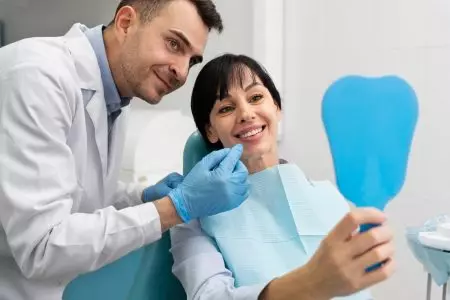
Adherence to the teeth brushing algorithm and following all the recommendations for maintaining oral hygiene does not cancel periodic visits to the dentist. Visit your dentist at least once every six months for a routine check-up. This will allow you to detect diseases in the early stages in a timely manner. Regular visits to the dentist include not only an examination, but also professional cleaning, tartar removal, procedures to restore and strengthen tooth enamel, and possibly teeth whitening.The highly professional staff of doctors at the Dent-House Family Dentistry Clinic is able to provide a full range of dental services – from primary diagnostics to complex operations.
Regular dental care is the basis of your overall health. Follow our recommendations, and you will keep your teeth and gums healthy for many years.