

Content[ hide ]
- Why Pregnancy Affects Dental and Gum Health
- The Most Common Oral Health Problems During Pregnancy
- Hygiene and Care: Daily Habits for Healthy Teeth
- Nutrition and Vitamins That Support Enamel and Gums
- When to See a Dentist: Safe Procedures During Pregnancy
- Doctor’s Advice for Preventing Tooth Decay and Gum Inflammation
- Appointment booking
Why Pregnancy Affects Dental and Gum Health
Dental problems during pregnancy arise due to specific physiological processes occurring in a woman’s body. The main ones are:- Hormonal changes. Estrogen and progesterone levels rise sharply during pregnancy, making the gums more prone to inflammation, swelling, and bleeding.
- Increased acidity in the mouth. Morning sickness and frequent vomiting cause stomach acid to enter the mouth. This leads to the erosion of tooth enamel.
- Calcium deficiency. The body actively uses this mineral to form the baby’s bones and teeth. If there isn’t enough calcium in the diet, the body begins to draw on its own reserves—including those in the teeth.
- Changes in diet. Cravings for sweet or sour foods, or frequent snacking, are common during pregnancy. Frequent consumption of carbohydrates increases acidity in the mouth and feeds the bacteria that cause tooth decay.
- Reduced attention to oral hygiene. Due to nausea, expectant mothers may brush their teeth less often or less thoroughly.
The Most Common Oral Health Problems During Pregnancy
|
Problem |
Cause |
When it occurs |
| Gingivitis in pregnant women | Hormonal changes, increased gum sensitivity to plaque | Most commonly in the 2nd–3rd trimester |
| Tooth decay | Increased acidity, frequent snacking, changes in oral hygiene habits | Throughout pregnancy |
| Enamel erosion | Stomach acid during morning sickness and vomiting | Mostly in the first trimester |
| Tooth sensitivity | Enamel thinning, gum inflammation | Any trimester |
| Periodontitis | Advanced gingivitis, weakened immune system | Most common in the 2nd–3rd trimester |
| Epulis | Excessive gum tissue growth due to hormones | 2nd–3rd trimester |
| Dry mouth | Changes in saliva composition, dehydration | Throughout pregnancy |
| Bleeding gums | Hormonal changes, inflammation | Most common in the 1st–2nd trimester |
Hygiene and Care: Daily Habits for Healthy Teeth
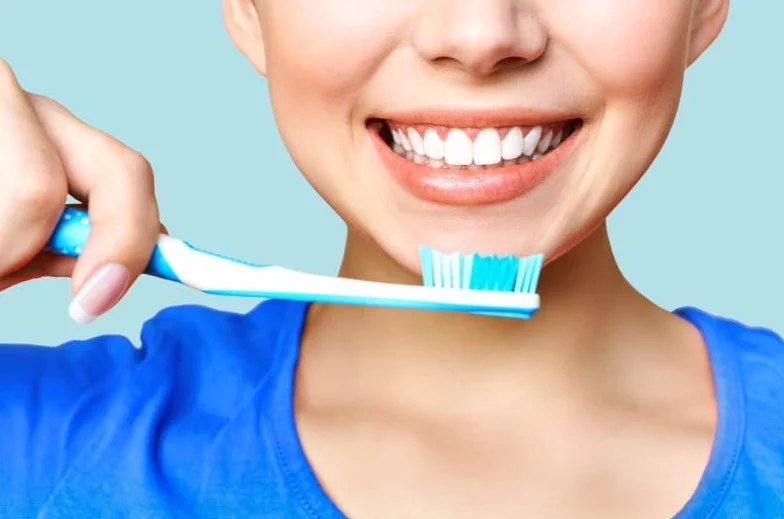 During pregnancy, daily dental care becomes especially important. The following habits will help significantly reduce the likelihood of problems:
- Brush your teeth after every meal. If that’s not possible, at least rinse your mouth with clean water.
- If you’re experiencing nausea, try switching your toothpaste to one without a strong taste or scent, and brush your teeth slowly while in a comfortable position.
- Do not brush your teeth immediately after vomiting. Stomach acid softens the enamel, and brushing with a toothbrush right after vomiting can damage it.
- Use dental floss every day—it helps remove plaque from places your toothbrush can’t reach.
- Fluoride toothpastes are safe during pregnancy and help strengthen enamel. If you have sensitive teeth, look for toothpastes labeled for sensitive teeth. It’s best to avoid whitening toothpastes during this time.
- Drink more plain water. Water neutralizes acidity in the mouth, keeps the mucous membranes moist, and washes away food particles.
Nutrition and Vitamins That Support Enamel and Gums
The condition of your teeth during pregnancy also depends on what you eat. Your body needs more nutrients than usual, and if you don’t get enough, gum and tooth diseases can develop. A healthy diet is not a substitute for treatment, but it significantly reduces the risk of complications. The following minerals and vitamins are especially important during pregnancy:- Calcium. Main sources: dairy products, hard cheeses, sesame seeds, almonds, and broccoli.
- Vitamin D. Without it, calcium simply cannot be absorbed. Vitamin D is produced when exposed to sunlight, but levels are often insufficient during the fall and winter months. It is found in fatty fish, egg yolks, and butter. In most cases, a doctor will prescribe it as a supplement.
- Vitamin C. It is responsible for the strength of blood vessels and gum health. A deficiency can cause the gums to become loose and bleed. Sources: bell peppers, citrus fruits, strawberries, kiwis, and rose hips.
- Vitamin K. It affects blood clotting and bone health. A deficiency can increase gum bleeding. Found in leafy greens, spinach, broccoli, and sauerkraut.
- Phosphorus. Works together with calcium to maintain enamel strength. Sources: meat, fish, eggs, legumes, and pumpkin seeds.
- Magnesium. It plays a role in bone formation and helps maintain calcium balance in the body. Include nuts, seeds, whole grains, and dark chocolate in your diet.

When to See a Dentist: Safe Procedures During Pregnancy
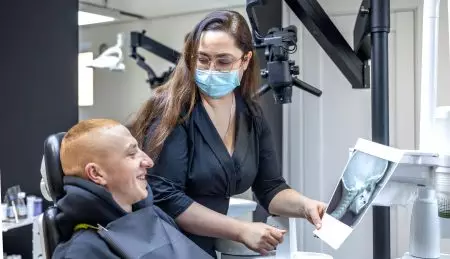
Many pregnant women put off visiting the dentist—they’re afraid that treatment might harm the baby. In reality, the opposite is true: untreated cavities, infections, or gum inflammation pose a much greater risk than a routine dental procedure. The key is to know what’s safe, because the safety of both mother and baby is the top priority:- The best time for dental treatment is the second trimester. During the first trimester, all of the baby’s major organs are forming, so it’s best to postpone elective procedures. In the third trimester, sitting in the dental chair for a long time can be uncomfortable due to the strain on your blood vessels.
- Always inform your dentist that you are pregnant. The stage of pregnancy, any complications, and the medications you are taking—all of this is important for choosing the treatment method and anesthesia.
- Anesthesia during pregnancy is safe. Modern local anesthetics used in dentistry do not cross the placenta and are safe for the baby. Enduring pain during the procedure is far more harmful than receiving anesthesia. Your dentist will select a medication approved for use during pregnancy.
- X-rays are performed only when necessary. Routine X-rays are not performed during pregnancy. However, in an emergency—such as an abscess, severe pain, or suspected complications—an X-ray may be necessary. Modern digital X-ray machines emit minimal radiation, and a single X-ray is safe.

Doctor’s Advice for Preventing Tooth Decay and Gum Inflammation
Most of the advice on hygiene and nutrition has already been covered above. However, it’s worth following a few more tips from your doctor:- Chew sugar-free gum. After meals, when you can’t brush your teeth, xylitol-containing gum stimulates saliva production and reduces acidity in the mouth. Five to ten minutes is enough.
- Don’t share utensils. Bacteria that cause tooth decay are transmitted through saliva.
- Ask your dentist to apply a fluoride varnish. This is a simple preventive procedure that strengthens enamel and reduces the risk of cavities. It’s safe during pregnancy and takes just a few minutes.
- Don’t put off treatment out of fear. The stress from pain and an infection in your mouth are more harmful to your baby than a visit to the dentist. Your dentist will always choose a treatment that’s safe for your condition.