
- Why a healthy diet is important for your teeth: key facts
- Foods that strengthen enamel and support gums
- Foods harmful to teeth: what to avoid
- Vitamins and minerals for oral health
- Daily habits and dietary guidelines for preventing problems
- Dentists’ tips: how diet helps prevent cavities and inflammation
- Appointment booking
We brush our teeth twice a day, buy expensive toothpaste and toothbrushes, and visit the dentist regularly, but we often forget about what we eat. The condition of our teeth and gums depends on our diet, because eating the right foods helps strengthen teeth, reduce the risk of cavities, and maintain overall oral health. Here’s a look at which foods are good and bad for your teeth, as well as what changes you should make to your diet right now.
Why a healthy diet is important for your teeth: key facts
A tooth consists of several layers: enamel, dentin, and pulp. Enamel is the hardest tissue in the body, but it doesn’t repair itself. That is why it is so important to maintain its strength from the inside through nutrition.
How often we eat is also significant. Every time food enters the mouth, especially carbohydrates and sugar, bacteria in dental plaque produce acids that subsequently attack the enamel. The more often these attacks occur, the greater the chance of developing cavities. Therefore, frequent snacking is more harmful to your teeth than three full meals a day.
Foods that strengthen enamel and support gums
- Some foods actually strengthen enamel, enrich it with minerals, and protect the gums from inflammation. Here’s what you should include in your diet:
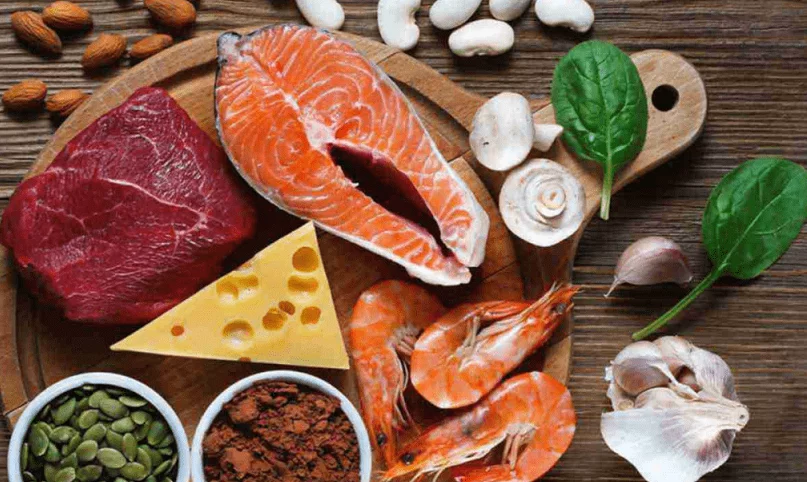
Dairy products. Milk, cottage cheese, and yogurt are the main sources of calcium and phosphorus. These minerals strengthen enamel and maintain the density of jawbone tissue. - Fatty fish. Salmon, mackerel, and sardines are excellent sources of vitamin D and phosphorus. Fatty fish also contain omega-3 fatty acids, which reduce inflammation in the gums.
- Leafy greens. Spinach, kale, and arugula are rich in calcium, magnesium, and folic acid. At the same time, leafy greens contain no sugar and do not harm tooth enamel.
- Nuts and seeds. Almonds, sesame seeds, and pumpkin seeds are good sources of calcium and phosphorus. The hard texture of nuts stimulates saliva production, which helps naturally clean teeth after eating.
- Eggs. The yolk is one of the few food sources that contains both vitamin D and vitamin K2. Eggs also contain phosphorus, which plays a role in enamel mineralization.
Dentists also recommend eating fresh fruits and vegetables with high water content. Cucumbers, celery, apples, and pears act as a natural toothbrush when chewed: they stimulate saliva production and mechanically clean the surface of the teeth. Apples also contain acid that whitens enamel, but in such a low concentration that it does not harm it.
Foods harmful to teeth: what to avoid
|
Product |
Harm |
|
Sugar and sweets |
Bacteria convert sugar into acids that destroy tooth enamel. Caramel and hard candies are more dangerous than chocolate because they remain in contact with the teeth for a long time. |
|
Carbonated drinks |
Contain phosphoric and carbonic acids, which soften the enamel and make it vulnerable to mechanical damage. |
|
White pastries and bread |
Contain simple carbohydrates and starch, which break down into sugar. The sticky residue gets stuck between teeth and feeds bacteria. |
|
Hard foods |
Nuts in shells, pits, and ice can cause microcracks or chips in the enamel. |
|
Vinegar and pickled foods |
Due to the high acidity of these foods, the enamel gradually softens. |
|
Energy drinks |
They combine high acidity with a high sugar content. One of the most aggressive products for tooth enamel. |

Vitamins and minerals for oral health
For healthy teeth and gums, you need not only good hygiene but also consistent nutrition from within. A deficiency in certain vitamins and minerals is one of the most common hidden causes of tooth decay, bleeding gums, and tooth sensitivity. You should include the following nutrients in your diet:
- Calcium. The primary building block for teeth and jawbone. It maintains enamel density and reduces the risk of tooth decay. A calcium deficiency leads to enamel softening and increased tooth brittleness. However, for the body to fully absorb this mineral, it needs phosphorus, vitamin D, and K2.
- Vitamin C. Critical for gum health. It plays a role in the synthesis of collagen—the primary protein in connective tissue that anchors teeth in the jaw. A vitamin C deficiency causes gums to bleed, become loose, and easily become inflamed.
- Vitamin A. Supports the health of the oral mucosa and promotes saliva production. Without sufficient vitamin A, the mucosa dries out and becomes more vulnerable to infections.
- Magnesium. Plays a role in enamel formation and increases its strength. It is also necessary for the absorption of calcium and vitamin D.
- Iron. Iron deficiency makes the oral mucosa more vulnerable to infections and inflammation. Iron deficiency can lead to cracks in the corners of the mouth, inflammation of the cheeks and tongue, and stomatitis.
- Zinc. It inhibits bacterial growth in dental plaque and promotes the healing of gum tissue.
- Fluoride. It strengthens enamel and increases its resistance to acids. It is important not to exceed the recommended amount—excess fluoride can lead to fluorosis.
All these vitamins and minerals are found in certain foods. If your intake is insufficient, you can take special supplements as prescribed by a doctor.

Daily habits and dietary guidelines for preventing problems
It’s important not only to eat healthy foods but also to do so correctly. To prevent problems, follow these tips:
- Drink water throughout the day. Water washes away food particles, dilutes acids, and maintains normal saliva production. Replacing juices and carbonated drinks with water is one of the simplest steps to protect your enamel.
- Drink acidic beverages through a straw. This reduces the liquid’s contact with the enamel.
- Do not eat at night after brushing your teeth. Saliva production decreases at night, and your teeth lose their natural protection. If you eat something after brushing your teeth, food particles and bacteria will remain on the enamel all night.
- Chew sugar-free gum after meals. It stimulates saliva production and helps remove food particles from your teeth. You should chew for no more than 10–15 minutes. However, this is not a substitute for brushing your teeth.
Also, limit your consumption of coffee and tea. They stain the enamel and increase acidity in the mouth. If you can’t give them up, drink them quickly and follow up with water. You can also add milk to your coffee—this reduces its acidity.

Dentists’ tips: how diet helps prevent cavities and inflammation
Dentists have long observed a pattern: patients who watch their diet are less likely to suffer from dental and gum problems. They also recommend paying attention to the following tips:
- Eat sugar-free yogurt and kefir. These are natural probiotics. These foods can help reduce the number of bacteria that cause cavities and decrease gum inflammation.
- Consume omega-3 fatty acids. Dentists note that patients with sufficient omega-3 levels are less likely to suffer from periodontitis and gingivitis.
- Add green tea, blueberries, cranberries, and cocoa to your diet. They contain polyphenols—substances that block bacteria’s ability to attach to the surface of teeth. Cranberries, in particular, prevent plaque buildup. It’s important to consume them without sugar—otherwise, the benefits are negated.
- Consume spicy foods in moderation—this stimulates saliva production, which is beneficial for your teeth. Additionally, capsaicin in hot peppers has antibacterial properties. However, if spicy food is combined with acidic foods (for example, a spicy and sour sauce), this creates an aggressive environment for tooth enamel.
- Don’t overdo it with diets. Low-calorie and restrictive diets often lead to deficiencies in calcium, vitamin D, and iron. Dentists frequently observe the consequences in the form of increased tooth sensitivity, bleeding gums, and cavities that develop very quickly.
- Quit smoking. This is one of the strongest risk factors for teeth and gums. It impairs blood flow to the gums, slows tissue healing, promotes plaque buildup, and increases the risk of periodontitis and oral cancer.
So, a balanced diet rich in vitamins and minerals will help maintain the health of your teeth and gums. It’s also worth following your dentist’s advice and not forgetting to visit a specialist regularly, because early-stage tooth decay or other problems cannot be managed through diet alone.